
The Let Them Theory
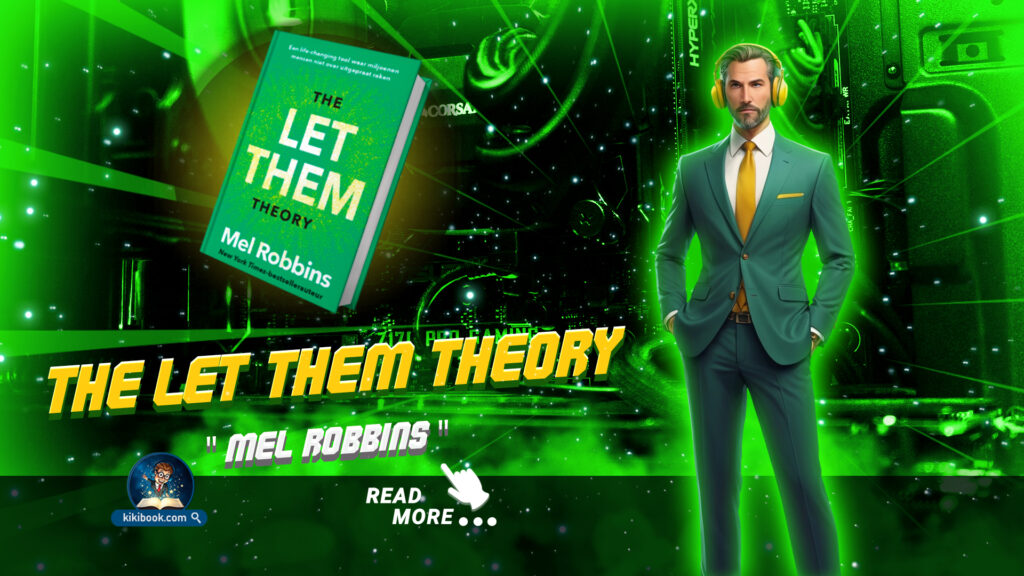
Build Boundaries & Emotional Freedom
- Let Them Theory — The Viral Mindset That Builds Emotional Boundaries
- In The Let Them Theory, Mel Robbins introduces a deceptively simple mindset shift that rewires how we handle relationships, stress, and self-worth. What began as a casual phrase from her daughter has grown into a viral Mel Robbins mantra for reclaiming peace: Let Them. If they judge you, let them. If they walk away, let them. And in that space? You rediscover you. This book, enriched with the complementary Let Me method, teaches you to set intentional emotional boundaries and live by choice, not reaction.
👉 Buy the original “The Let Them Theory By Mel Robbins” on Amazon to support the authors

Table of Contents
- 1 Chapter-by-Chapter Summary of The Let Them Theory
- 1.1 Chapter 1: My Story
- 1.2 Chapter 2: What Is the Let Them Theory?
- 1.3 Chapter 3: Let Them Think What They Want
- 1.4 Chapter 4 : Let Them Be Difficult People
- 1.5 Chapter 5 : Let Grown-Ups Throw Tantrums
- 1.6 Chapter 6 : When the Right Choice Feels Wrong
- 1.7 Chapter 7: Life Isn’t Fair — Let It Be
- 1.8 Chapter 8: Turn Comparison Into Growth
- 1.9 Chapter 9: You Can’t Motivate Everyone
- 1.10 Chapter 10: Let Them Decide to Change
- 1.11 Chapter 11: Influence Without Force
- 1.12 Chapter 12: Helping Without Saving
- 1.13 Chapter 13: Stop Rescuing People
- 1.14 Chapter 14: Real Support Starts with Boundaries
- 1.15 Chapter 15: Choose the Love You Deserve
- 1.16 Chapter 16: Believe Their Actions
- 1.17 Chapter 17: Let Me Begin — The Shift to Self-Empowerment
- 1.18 Chapter 18: Stop Wasting Energy
- 1.19 Chapter 19: Begin Your Let Them + Let Me Practice
- 1.20 Chapter 20: Stress Will Happen — Let It Fuel You
- 1.21 Chapter 21: Let Them Stress — You Stay Centered
- 1.22 Chapter 22: Redefine Adult Friendships
- 1.23 Chapter 23: Let Friendships Fade with Grace
- 1.24 Motivation, Leadership & Love
- 1.25 Conclusion: Let Them Go — Let Me Rise
- 1.26 Final Thoughts
- 1.27 📚 Buy the Book from the Author on Amazon
Chapter-by-Chapter Summary of The Let Them Theory
– Author : Mel Robbins
– Category : Self-help & personal growth
– Audience : Adults seeking emotional clarity
Chapter 1: My Story
– Robbins begins with vulnerability. Her own life, rife with control issues, anxiety, and burnout, laid the foundation for discovering the power of letting go. She candidly shares her breaking point and how Let Them sparked a journey of self-restoration.
Chapter 2: What Is the Let Them Theory?
– This core chapter defines the Let Them Theory: a practice of releasing the urge to manage others’ perceptions and behaviors. It’s the birth of an emotional boundaries technique that transforms reactivity into clarity.
Chapter 3: Let Them Think What They Want
– Trying to change others’ minds is a losing game. Robbins urges us to surrender this habit, empowering readers to build identity based on self-trust, not validation.
Chapter 4 : Let Them Be Difficult People
– Loving someone doesn’t mean fixing them. This chapter introduces radical compassion—love them, but let them be who they are.
Chapter 5 : Let Grown-Ups Throw Tantrums
– Here, Robbins exposes the toddler-like emotional outbursts adults often display and how letting them stew in their own discomfort builds healthier dynamics.
Chapter 6 : When the Right Choice Feels Wrong
– Your gut may scream no, but fear of backlash can cloud judgment. Let them be upset. Your peace matters more.
Chapter 7: Life Isn’t Fair — Let It Be
– A chapter on radical acceptance. Instead of wasting energy resisting reality, Robbins suggests adopting a letting go mindset to focus on what you can control.
Chapter 8: Turn Comparison Into Growth
– Comparison is poison—unless you flip it. Robbins reframes it as a mirror for unmet desires, nudging readers to reclaim aspiration instead of envy.
Chapter 9: You Can’t Motivate Everyone
– You can’t motivate those unwilling to move. Robbins emphasizes the importance of modeling over managing, a core pillar of the Let Them Let Me method.
Chapter 10: Let Them Decide to Change
– Control won’t create change—but empathy, distance, and modeling might. Let them choose. You choose too.
Chapter 11: Influence Without Force
– This chapter focuses on leadership through energy, not force. Real influence, Robbins argues, is about being magnetic by staying aligned.
Chapter 12: Helping Without Saving
– Helping doesn’t mean rescuing. Robbins outlines healthy strategies to support others without absorbing their chaos.
Chapter 13: Stop Rescuing People
– A bold truth: over-helping keeps others powerless. Set boundaries. Let them grow by facing their own struggles.
Chapter 14: Real Support Starts with Boundaries
– This chapter breaks down when to step in and when to step back. It offers a roadmap for compassionate yet firm support.
Chapter 15: Choose the Love You Deserve
– Robbins redefines love: it must feel safe, mutual, and kind. Let those who can’t offer that… go.
Chapter 16: Believe Their Actions
– Let actions speak. Robbins encourages readers to stop making excuses for red flags. See people clearly—and choose accordingly.
Chapter 17: Let Me Begin — The Shift to Self-Empowerment
– This is where the book pivots. Let Them clears space. Let Me fills it with intention. Let me rest. Let me rise. Let me live free.
Chapter 18: Stop Wasting Energy
– A rallying cry for focus. Robbins reminds us that attention is currency. Spend it where it matters.
Chapter 19: Begin Your Let Them + Let Me Practice
– Implementation begins. Readers are guided through journaling, mental reframing, and daily mantras to embody the shift.
Chapter 20: Stress Will Happen — Let It Fuel You
– Life doesn’t get easier. But you can get better. Robbins reframes stress as a teacher, not a tyrant.
Chapter 21: Let Them Stress — You Stay Centered
– A practical guide to managing external chaos without internalizing it. Let people freak out. You don’t have to join them.
Chapter 22: Redefine Adult Friendships
– Friendships evolve. Some end. Let them. Robbins gives permission to honor seasonal relationships without guilt.
Chapter 23: Let Friendships Fade with Grace
– Not every ending is a failure. Robbins helps readers process relational grief and find peace in the letting go.
– Tools for Letting Go and Growing Closer
– The remaining relationship chapters offer scripts, journaling exercises, and a diagnostic for healthy vs. draining connections.
Motivation, Leadership & Love
– This section dives into leadership mindsets and self-responsibility. Robbins introduces a new perspective: great leaders and partners use Let Them to set expectations and Let Me to walk the talk. It’s about alignment, not authority.
Conclusion: Let Them Go — Let Me Rise
– By the book’s end, Robbins paints a clear vision: your life, your rules, your peace. Let them judge, leave, or resist. Let you rise, grow, and glow. The Let Them Theory is a healing salve and a practical framework for those ready to stop controlling and start creating.
Final Thoughts
– Mel Robbins delivers yet another practical, heart-centered guide. If you’re tired of burnout, resentment, and over-giving, this book will feel like an emotional detox. The blend of real-life stories, psychological tools, and mindset reframes makes it one of the most actionable self-development books of the year.
📚 Buy the Book from the Author on Amazon
👉 Ready to reclaim your peace and start living your “Let Me” life ? Buy the book from the author on Amazon.
BOOK QUIZ ?
KIKI BOOK

I Will Teach You To Be Rich
- Author : Ramit Sethi
- Genre : Personal Finance & Self-Help
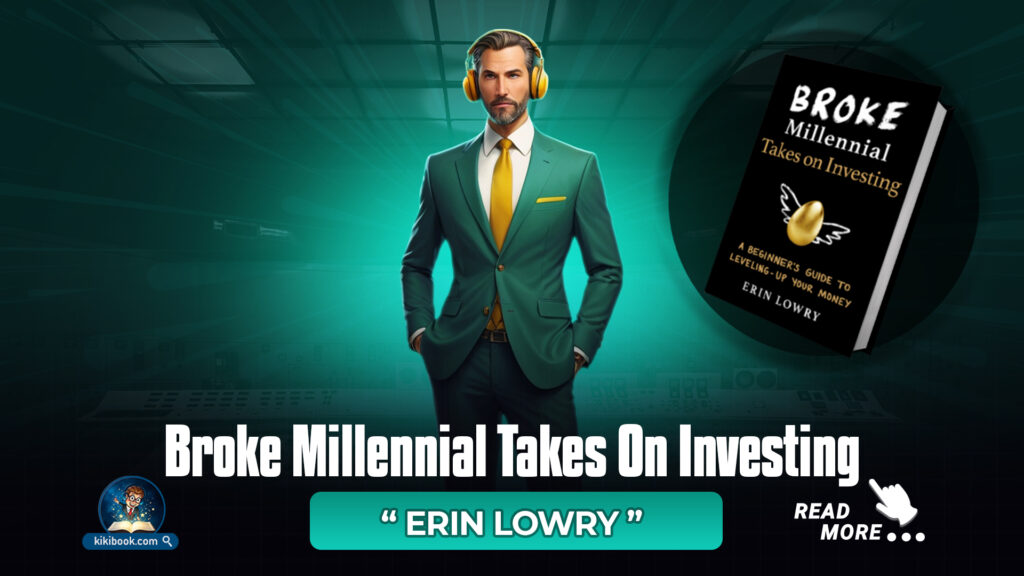
Broke Millennial Investing
- Author : Erin Lowry
- Genre : Personal finance, investing

Clever Girl Finance
- Author : Bola Sokunbi
- Genre : Personal finance & investing

Author : KiKi Book
” We’re not just a book summary platform. We serve those who are driven, ambitious, and hungry to grow. With original, copyright-compliant content—never copied, always creative—curated by experts in personal finance, wealth mindset, and self-development.”