
Broke Millennial Investing
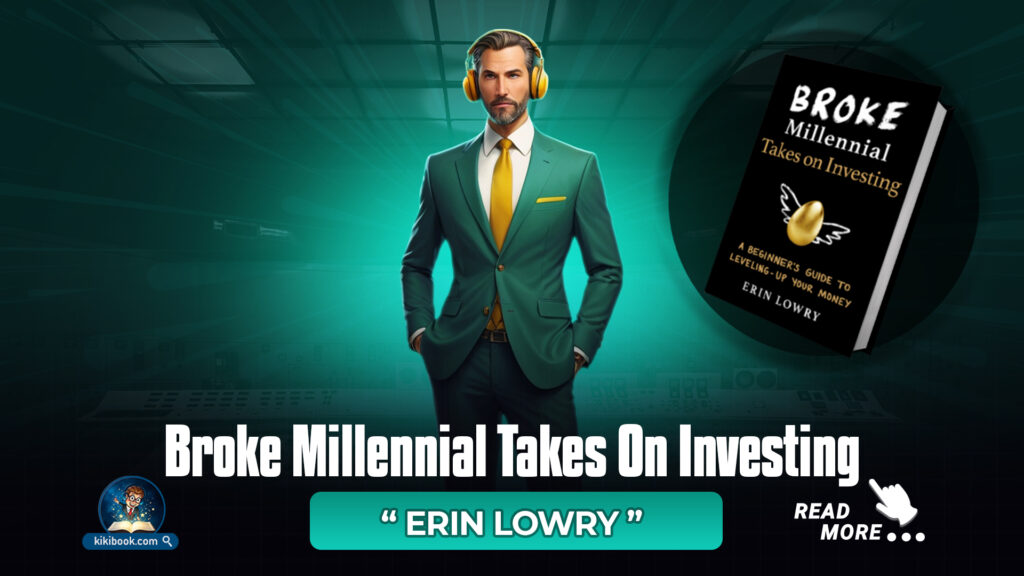
- Erin Lowry’s Broke Millennial Takes On Investing is the ultimate beginner investing guide designed for the modern millennial. With a voice that is relatable, humorous, and deeply practical, Lowry breaks down the intimidating world of investing into clear, digestible insights. If you’re ready to build long-term wealth but feel overwhelmed by jargon, apps, and asset classes, this chapter-by-chapter breakdown will serve as your trusted road map.
👉 Buy the original “Broke Millennial Takes On Investing – Erin Lowry“ on Amazon to support the authors

Table of Contents
- 1 Broke Millennial Investing: Smart Beginner Strategies for Wealth
- 1.1 Chapter 1: Is This Book Right for You ?
- 1.2 Chapter 2: The Case for Investing
- 1.3 Chapter 3: But Are You Ready to Start Investing?
- 1.4 Chapter 4 : Let’s Establish a Common Language
- 1.5 Chapter 5 : Grabbing the Bull by the Horns When You’re Risk-Averse
- 1.6 Chapter 6 : I Have a 401(k)—Do I Need to Do More Investing ?
- 1.7 Chapter 7: Should I Invest When I Have Student Loans?
- 1.8 Chapter 8: I Want to Put Money in the Market—How Do I Start?
- 1.9 Chapter 9: I Like Gambling—Isn’t That Like Individual Stock Picking?
- 1.10 Chapter 10: Investing—Of Course There’s an App for That
- 1.11 Chapter 11: Robo-Advisor or Human Advisor—Which Is Better ?
- 1.12 Chapter 12: Impact Investing—Making Money Without Compromising Your Ethics
- 1.13 Chapter 13: Riding Out the Panic of a Market Crash
- 1.14 Chapter 14: Sniffing Out a Scam
- 1.15 Chapter 15: So, You’re Ready to Sell an Investment
- 1.16 Chapter 16: Tactics the Wealthy Use to Make and Preserve Money
- 1.17 Chapter 17: Where Can I Get More Investing Advice?
- 1.18 Chapter 18: Now It’s Time to Level Up
- 1.19 Final Thoughts:
- 1.20 📚 Buy the Book from the Author on Amazon
Broke Millennial Investing: Smart Beginner Strategies for Wealth
– Author : Erin Lowry
– Category : Personal finance, investing
– Audience : Millennials, beginners in investing
Chapter 1: Is This Book Right for You ?
– Lowry opens with a reality check: investing isn’t reserved for the rich or those with financial degrees. If you’re a millennial wondering where to start, juggling student debt, or living paycheck to paycheck, this book was written for you. She reassures readers that with the right mindset and beginner investing tips, anyone can enter the investing world.
Chapter 2: The Case for Investing
– Why invest at all? Lowry answers with a compelling argument: investing is the only sustainable way to grow wealth and beat inflation over time. Saving is essential, but investing is what separates financial survival from financial success. Here, she introduces the power of compound interest basics—where your money earns money, and that money earns more.
Chapter 3: But Are You Ready to Start Investing?
– Before you jump into the stock market, Lowry urges readers to assess their financial readiness. This includes having an emergency fund, stable income, and a clear plan for paying down high-interest debt. This step is about financial self-discipline, laying the groundwork for successful investing.
Chapter 4 : Let’s Establish a Common Language
– Investing can feel like learning a foreign language. Stocks, bonds, mutual funds, ETFs, dividends—Lowry demystifies them all. Her approach aligns with wealth psychology: when you understand the tools, you’re empowered to use them wisely. This chapter builds your investing vocabulary and confidence.
Chapter 5 : Grabbing the Bull by the Horns When You’re Risk-Averse
– Fear of loss paralyzes many would-be investors. Lowry addresses this with practical strategies for managing risk, including diversification and long-term planning. It’s a mindset shift: the risk isn’t investing, it’s not investing.
Chapter 6 : I Have a 401(k)—Do I Need to Do More Investing ?
– Many millennials rely solely on employer-sponsored retirement plans. Lowry explains why a 401(k) is a great start, especially if there’s a company match, but shouldn’t be the only strategy. She dives into IRAs, Roth IRAs, and the importance of taking control of your financial future beyond automatic deposits.
Chapter 7: Should I Invest When I Have Student Loans?
– Balancing debt and investing is one of the most common dilemmas. Lowry offers a nuanced view: it’s not an either/or. She shares strategies for doing both wisely, including prioritizing high-interest debt and leveraging employer benefits.
Chapter 8: I Want to Put Money in the Market—How Do I Start?
– This chapter delivers the core beginner investing tips. Lowry breaks down brokerage accounts, index funds, and how to choose your first investments. It’s practical, clear, and focused on ease of execution—perfect for first-time investors.
Chapter 9: I Like Gambling—Isn’t That Like Individual Stock Picking?
– Lowry tackles the temptation of meme stocks and day trading. Her message: investing isn’t gambling. It’s a disciplined approach to building wealth. She contrasts speculation with the stability of diversified portfolios, instilling a mindset of patience and strategic growth.
Chapter 10: Investing—Of Course There’s an App for That
– From Robinhood to Acorns, this chapter explores the best investing apps for beginners. Lowry offers honest pros and cons of each platform, emphasizing the need for education alongside convenience. Tech should empower you—not mislead you.
Chapter 11: Robo-Advisor or Human Advisor—Which Is Better ?
– Who should guide your journey? Lowry compares human advisors to robo-advisors based on cost, customization, and complexity of financial needs. For most millennials, a hybrid approach might be the best path—and knowing your preferences is key.
Chapter 12: Impact Investing—Making Money Without Compromising Your Ethics
– Can you grow wealth and stay true to your values? Yes. Lowry introduces ESG (Environmental, Social, Governance) investing, socially responsible funds, and how millennials can align money with purpose.
Chapter 13: Riding Out the Panic of a Market Crash
– Every investor will face market downturns. Lowry prepares you with emotional discipline strategies to avoid panic selling. Staying invested during a dip is often the smartest long-term move.
Chapter 14: Sniffing Out a Scam
– Financial scams are evolving. Lowry teaches readers to spot red flags, understand investment fraud tactics, and protect themselves. Awareness is wealth preservation.
Chapter 15: So, You’re Ready to Sell an Investment
– Selling is as strategic as buying. Lowry walks through tax considerations, emotional detachment, and timing exits based on goals—not market noise. It’s about staying aligned with your success mindset.
Chapter 16: Tactics the Wealthy Use to Make and Preserve Money
-Here, Lowry shares habits of the wealthy: tax-loss harvesting, estate planning, maximizing retirement accounts, and automating investments. These aren’t secrets—they’re accessible strategies anyone can adopt.
Chapter 17: Where Can I Get More Investing Advice?
– Not all advice is created equal. Lowry recommends reputable sources, books, podcasts, and communities that educate rather than manipulate. It’s about curating your influence.
Chapter 18: Now It’s Time to Level Up
– The final chapter is an empowering send-off. Lowry invites readers to take action, stay consistent, and keep learning. Investing isn’t a one-time decision—it’s a lifestyle rooted in wealth psychology and long-term vision.
Final Thoughts:
– Broke Millennial Takes On Investing is more than a beginner’s guide. It’s a mindset manual for building generational wealth, making smart choices, and claiming control over your financial future. Whether you’re paying off student loans or wondering how to start with $100.
– Don’t wait to change your financial future …
📚 Buy the Book from the Author on Amazon
👉 Erin Lowry gives you the tools and confidence to take action today, buy the book from the author on Amazon
BOOK QUIZ ?
KIKI BOOK

The Magic of Thinking Big
- Author : David J. Schwartz
- Genre: Self-help, mindset, personal success

The 5 AM Club
- Author : Robin Sharma
- Genre : Self-help & personal development

Inner Excellence
- Author : Jim Murphy
- Genre : Personal development & Self-help

Author : KiKi Book
” We’re not just a book summary platform. We serve those who are driven, ambitious, and hungry to grow. With original, copyright-compliant content—never copied, always creative—curated by experts in personal finance, wealth mindset, and self-development.”